Prison Without Walls: The Puritan Blueprint for America
- Melissa Goldin
- Sep 12, 2025
- 5 min read

When the Puritans crossed the Atlantic, they carried more than Bibles and black hats. In 1630, aboard the ship Arbella as it sailed toward the New World, Puritan leader John Winthrop gave a sermon that would echo across American history.
“We shall be as a city upon a hill — the eyes of all people are upon us.”
It was not a boast. It was a warning.If the Puritans failed to create a righteous society, the whole world would see their shame.
From the beginning, America's moral ambitions carried not just hope but pressure. To be visible was to be judged, and to be judged was to fear failure. That fear would shape the new society as much as the dream of freedom itself.
The Dream: Moral Excellence and Collective Responsibility
The Puritans did not come seeking liberty as we understand it today.They came to build a covenantal community, bound together by mutual submission to what they believed was divine law.
In Massachusetts Bay, the laws reflected this vision.The 1648 Laws and Liberties of Massachusetts regulated not only theft and violence but private morality:
Attending church was mandatory.
Blasphemy, drunkenness, and even idleness were punishable offenses.
Public punishments like stocks, fines, and public confessions reinforced communal standards.
To belong meant to conform. Individual behavior was everyone’s business because the purity of the community was seen as essential to its survival and its favor with God. It was a society founded on the dream of collective moral excellence. But dreams built on fear often tighten into chains.
The Narrowing: Fear of Failure and the Rise of Surveillance
The dream of moral excellence did not disappear.But over time, it began to narrow.
Where once the community had been a covenant of shared hope, it became a network of mutual suspicion. Public righteousness was no longer just a virtue; it was a test of loyalty. Deviations, doubts, even misunderstandings could mark a person as a danger to the whole.
Fear turned neighbors into judges, but it also forced individuals to judge themselves.Puritan sermons explicitly called for constant self-examination, warning that even secret pride, doubt, or joy could be evidence of damnation (Shepard, The Sincere Convert). Ministers like Thomas Shepard taught that unchecked inner corruption could destroy not only the soul but the entire community.
Personal diaries from the time reveal how deeply this fear reached.Michael Wigglesworth, a Massachusetts minister, recorded endless agonies over his own unworthiness, sinful desires, and terror that he might not be among the elect (Wigglesworth, Diary).Even John Winthrop, the revered governor, kept journals filled with confessions of pride, self-doubt, and fear of divine disapproval (Winthrop, Journal).
The need for visible purity pressed outward into communities — and inward into private hearts.
When figures like Anne Hutchinson dared to challenge ministerial authority, suggesting that individuals could interpret divine will without the church’s mediation, she was branded a heretic and banished in 1638 (Bremer, Anne Hutchinson).When Roger Williams insisted that the state had no right to police religious belief, arguing for liberty of conscience, he too was exiled in 1635 (Barry, Roger Williams and the Creation of the American Soul).
The Salem Witch Trials of 1692 revealed the full horror of a society where fear had turned inward completely.In a community built on vigilance, suspicion blossomed into hysteria. Neighbors accused neighbors. Families tore themselves apart. The dream of moral excellence devoured the very community it was meant to preserve (Norton, In the Devil’s Snare).
The shining city, meant to stand as a beacon of hope, had become a place where even silent doubts could destroy a life.
The Legacy: Invisible Walls
Over the centuries, the external punishments faded, but the emotional architecture endured.
The American habit of moral surveillance lived on:
In the loyalty oaths and blacklists of the McCarthy era.
In neighborhood associations policing everything from lawn care to social behavior.
In the persistent tendency to judge worthiness not by kindness or integrity, but by visible conformity.
The "city on a hill" remained an aspiration.But too often, it was a city with high walls — walls built not to invite others in, but to keep them out.
The Pressure to Change
It would be unfair to suggest that the Puritan model remained untouched.
Over time, other forces strained and eventually cracked the rigid walls. Commerce demanded broader inclusion, especially in northern port cities like Boston, New York, and Philadelphia, where religious background mattered less than business skill (Shorto, The Island at the Center of the World).
Immigration brought new waves of German Protestants, Dutch settlers, Irish Catholics, and Jewish communities, especially into Pennsylvania and New York (Butler, Awash in a Sea of Faith). Frontier realities, too, demanded cooperation across difference. On the edges of colonial settlement, survival often depended on alliances and tolerance between diverse religious and ethnic groups (Taylor, American Colonies).
Port cities became more pluralistic. Frontier settlements adapted by necessity.But even as tolerance widened, the emotional structure built in those first Puritan settlements — the idea that visibility demanded purity, and that deviation endangered the whole — never fully disappeared. It continues to shape American instincts about who belongs, who is suspect, and what must be hidden to survive.
Conclusion: The Cost of Perfection
Dreams of moral excellence can lift societies. They can call communities to courage, sacrifice, and mutual care. When dreams of purity harden into rigid standards, they imprison even those they were meant to uplift. The tension between American aspiration and American exclusion was born early — and it has never fully disappeared.
In the centuries to come, the same battle would erupt again:
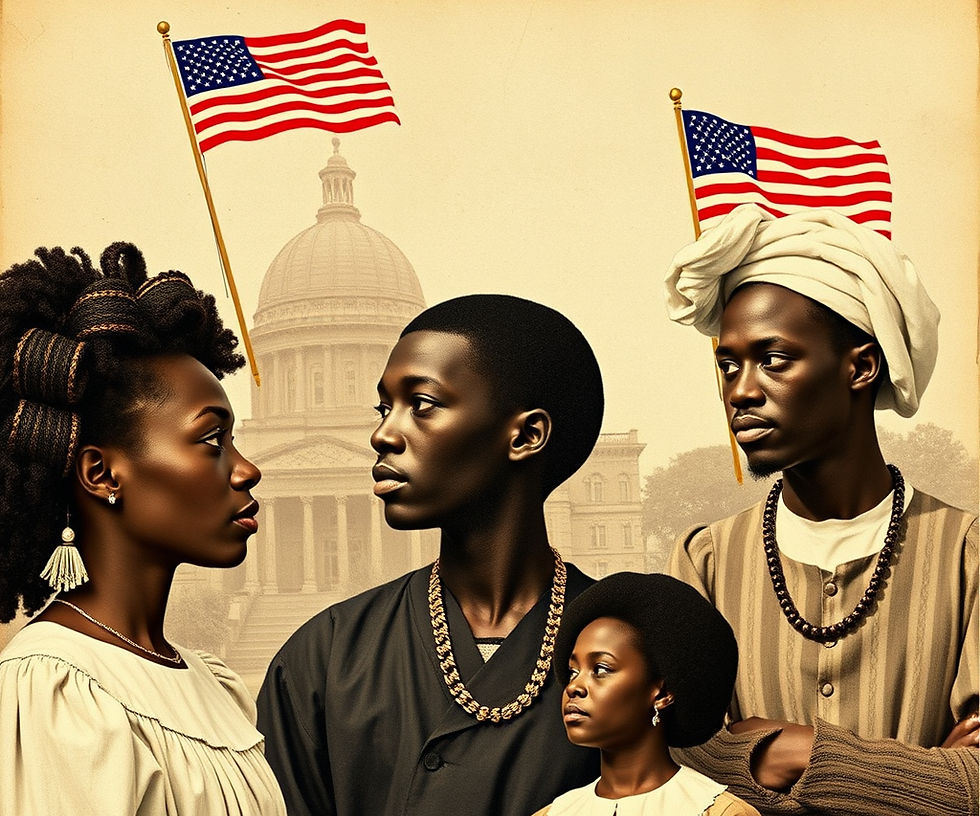
In the policing of freed Black Americans after Emancipation.
In the silencing of women who fought for the right to vote.
In the suspicion cast on those who loved, prayed, or lived differently.
The walls they built still shape the moral architecture of American life.
Sources and References:
Reference Number | Source |
(Winthrop, A Model of Christian Charity) | John Winthrop, A Model of Christian Charity (1630). |
(Massachusetts Laws and Liberties) | The Laws and Liberties of Massachusetts (1648). |
(Shepard, The Sincere Convert) | Thomas Shepard, The Sincere Convert (1641). |
(Wigglesworth, Diary) | Michael Wigglesworth, The Diary of Michael Wigglesworth (mid-1600s). |
(Winthrop, Journal) | John Winthrop, The Journal of John Winthrop (early 1600s). |
(Bremer, Anne Hutchinson) | Francis J. Bremer, Anne Hutchinson: Troubler of the Puritan Zion (1981). |
(Barry, Roger Williams and the Creation of the American Soul) | John M. Barry, Roger Williams and the Creation of the American Soul (2012). |
(Norton, In the Devil’s Snare) | Mary Beth Norton, In the Devil’s Snare: The Salem Witchcraft Crisis of 1692 (2002). |
(Shorto, The Island at the Center of the World) | Russell Shorto, The Island at the Center of the World (2004). |
(Butler, Awash in a Sea of Faith) | Jon Butler, Awash in a Sea of Faith: Christianizing the American People (1990). |
(Taylor, American Colonies) | Alan Taylor, American Colonies (2001). |


Comments